
Top Interior Design Trends for Modern Commercial Spaces in 2026
1 Sep 2026
A well-designed commercial space is not just a place to work or do business—it is an experience that reflects your vision, values, and brand.
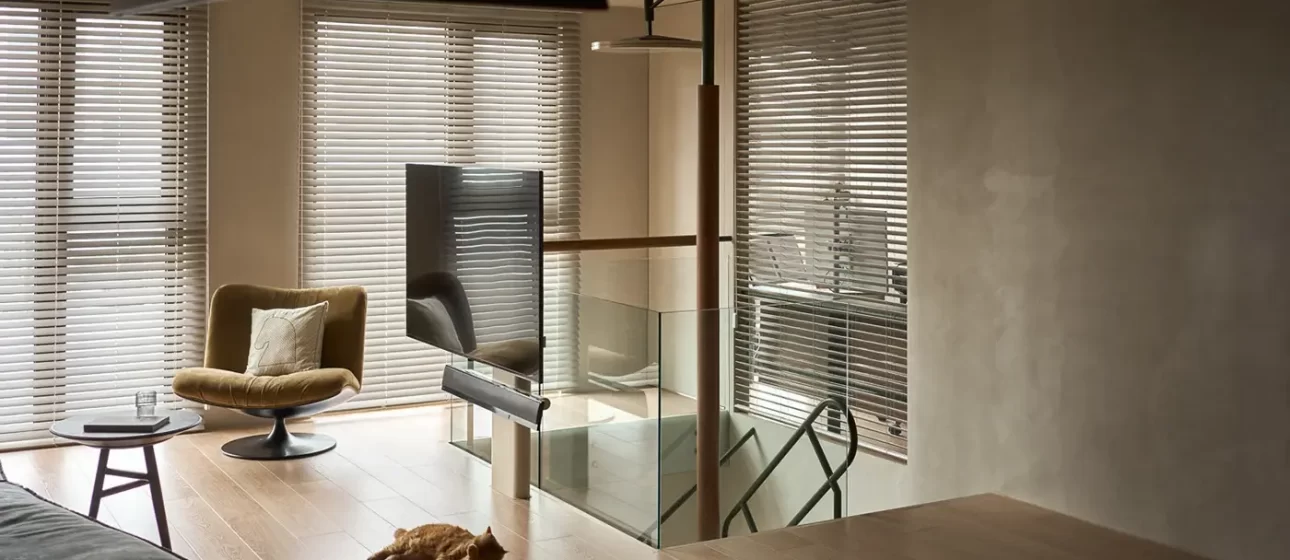
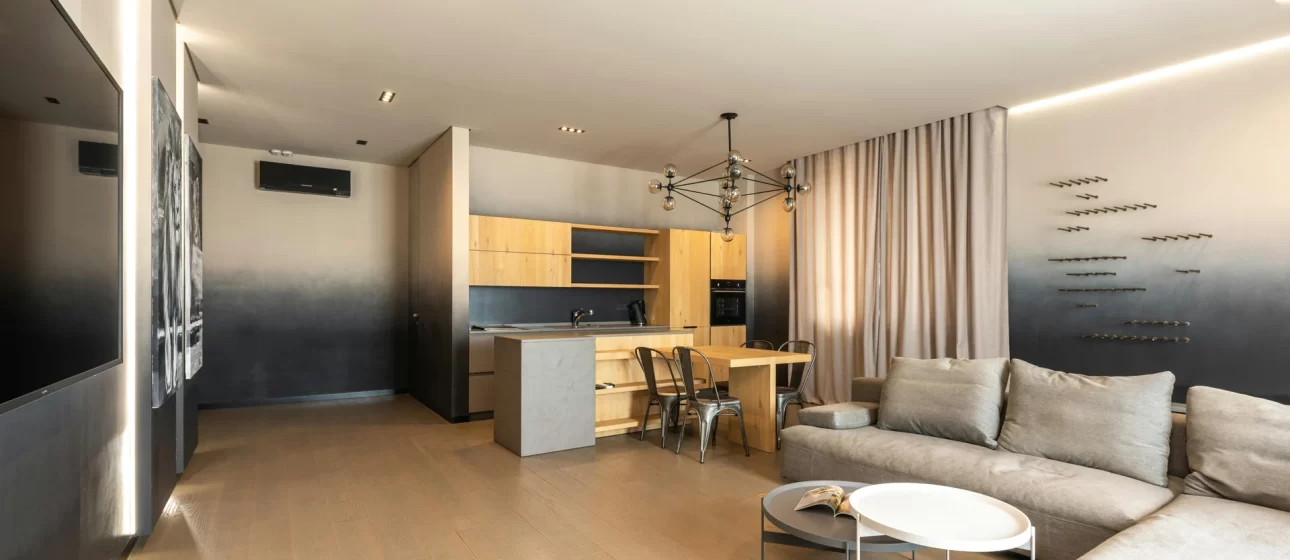
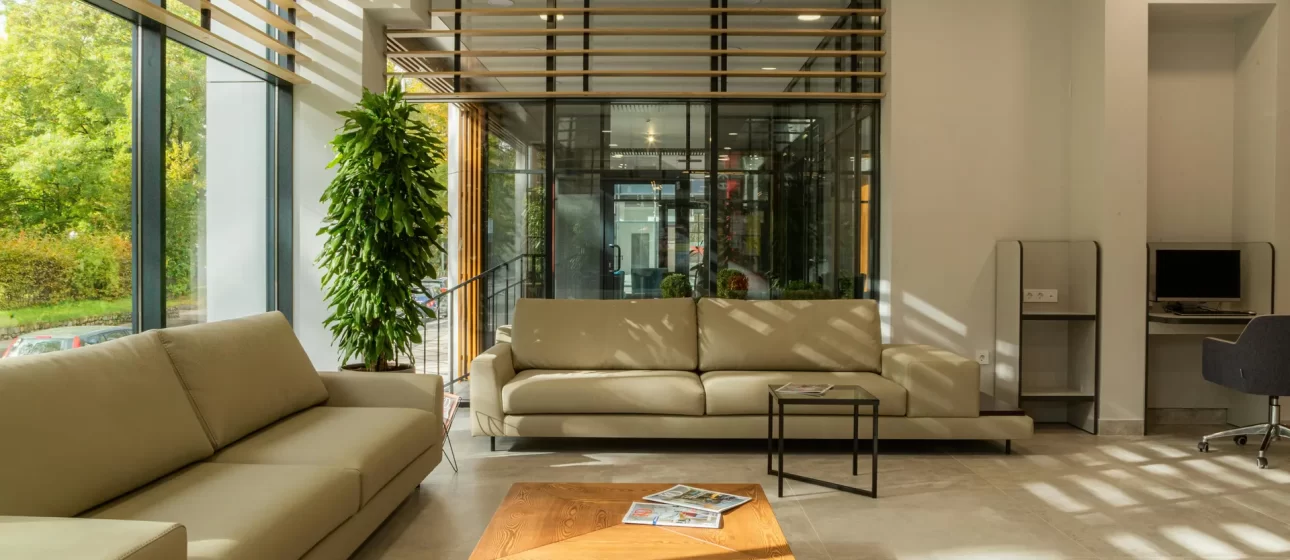
Commercial interiors are evolving rapidly as businesses look for spaces that are functional, comfortable, sustainable, and aligned with their brand identity. In 2026, interior design is moving beyond aesthetics to create work environments that support productivity, employee well-being, customer experiences, and long-term business goals.
From flexible layouts and sustainable materials to smart technology and biophilic design, modern commercial spaces are becoming more thoughtful and purpose-driven. Whether it is a corporate office, retail store, restaurant, hospitality space, or institutional facility, the right interior design can significantly influence how people experience a space.
Here are some of the top interior design trends shaping modern commercial spaces in 2026.
1. Flexible and Multi-Functional Spaces
Businesses today need spaces that can adapt to changing requirements. Fixed layouts are gradually being replaced by flexible environments that can support multiple activities.
Movable partitions, modular furniture, collaborative zones, breakout areas, and adaptable meeting spaces allow businesses to modify their interiors as their needs change. This approach is particularly useful for offices and commercial environments where teams may work individually, collaborate, conduct meetings, or host events within the same space.
Flexible design also helps businesses make better use of available floor space while reducing the need for frequent renovations.
2. Biophilic Interior Design
Bringing elements of nature into commercial interiors continues to be a major trend in 2026. Biophilic design focuses on creating a stronger connection between people and the natural environment.
Indoor plants, natural materials, wooden finishes, natural textures, daylight, indoor gardens, and nature-inspired colours can create a more welcoming atmosphere. In workplace environments, these elements can also contribute to a more comfortable and positive experience for employees.
Biophilic design is not limited to offices. Retail stores, restaurants, hotels, wellness centres, and other commercial spaces can use natural elements to create distinctive environments.
3. Sustainable and Responsible Materials
Sustainability has become an important part of modern interior design. Businesses are increasingly considering the environmental impact of the materials, finishes, furniture, and construction methods used in their spaces.
In 2026, commercial interiors are seeing greater use of recycled materials, responsibly sourced wood, low-VOC finishes, energy-efficient lighting, durable surfaces, and materials designed for longer lifecycles.
Sustainable design is not simply about choosing environmentally friendly products. It also involves designing spaces that can be maintained, adapted, and reused efficiently over time.
4. Technology-Integrated Interiors
Technology is becoming an integral part of commercial interior design. Modern spaces are being planned around smart systems that improve convenience, efficiency, security, and user experience.
Automated lighting, smart climate control, integrated audiovisual systems, digital access solutions, interactive displays, and intelligent workspace management systems are increasingly being incorporated into commercial interiors.
The key is to integrate technology seamlessly into the design rather than allowing equipment and wiring to dominate the visual appearance of the space.
5. Wellness-Focused Commercial Spaces
Employee and customer well-being is becoming an important consideration in commercial interior planning. Businesses are creating spaces that promote comfort, relaxation, movement, and healthier experiences.
Ergonomic furniture, comfortable seating, improved lighting, acoustic solutions, ventilation, natural elements, quiet zones, and wellness areas are becoming valuable features in modern workplaces.
For hospitality, fitness, healthcare, and wellness environments, these design principles can also strengthen the overall customer experience.
6. Bold Brand-Driven Interiors
Commercial interiors are increasingly being used to communicate a company’s identity. Instead of relying only on logos and signage, businesses are incorporating their brand personality through colours, materials, furniture, lighting, artwork, and spatial design.
A well-designed branded environment can create a consistent visual identity while making the space more memorable. In retail and hospitality environments, this can be particularly important because the physical environment plays a significant role in shaping customer perception.
7. Better Acoustic Design
As commercial spaces become more open and collaborative, acoustic comfort is becoming increasingly important. Excessive noise can affect concentration, communication, and overall comfort.
Modern interior solutions include acoustic wall panels, ceiling treatments, carpets, upholstered furniture, partitions, and dedicated quiet areas. These features can help control sound while also contributing to the overall aesthetics of the interior.
Acoustic planning is especially valuable in open-plan offices, restaurants, educational facilities, and busy commercial environments.
8. Warm and Comfortable Aesthetics
Minimalism is evolving into a warmer and more welcoming style. In 2026, commercial interiors are increasingly combining clean architectural lines with natural textures, warm finishes, comfortable furniture, and softer lighting.
The objective is to create spaces that look professional without feeling cold or overly formal. This balance can make offices more inviting, retail environments more engaging, and hospitality spaces more comfortable.
Designing Commercial Spaces for the Future
The biggest interior design trend in 2026 is the shift towards purpose-driven commercial spaces. Businesses are looking for interiors that do more than look attractive—they want environments that support their people, strengthen their brand, improve functionality, and provide long-term value.
At Vilaasa Homes Interior, commercial interior design can be approached with a focus on thoughtful planning, functionality, aesthetics, and execution. From design and project management to interior and fit-out solutions, every element can be planned to meet the specific requirements of a commercial environment.
Whether you are developing a corporate workspace, retail environment, hospitality venue, restaurant, institutional facility, or other commercial space, investing in professional interior design can help create an environment that is both functional today and adaptable for tomorrow.
VILAASA HOMES
Interior Design & Turnkey Execution
Creating thoughtful spaces through creative design, careful planning, quality craftsmanship, and seamless execution.