
How to Design a Stylish and Functional Home Interior
7 Sep 2026
Architecture is more than form and structure—it is the thoughtful relationship between people, space, and environment. In this article, we explore how contextual design and material honesty create spaces.
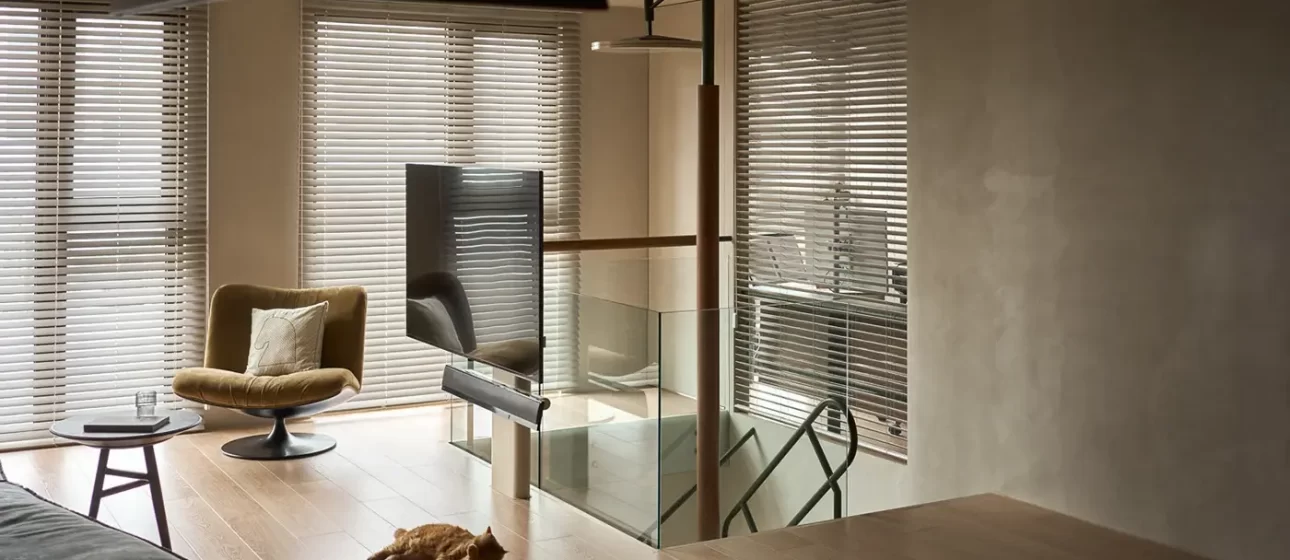
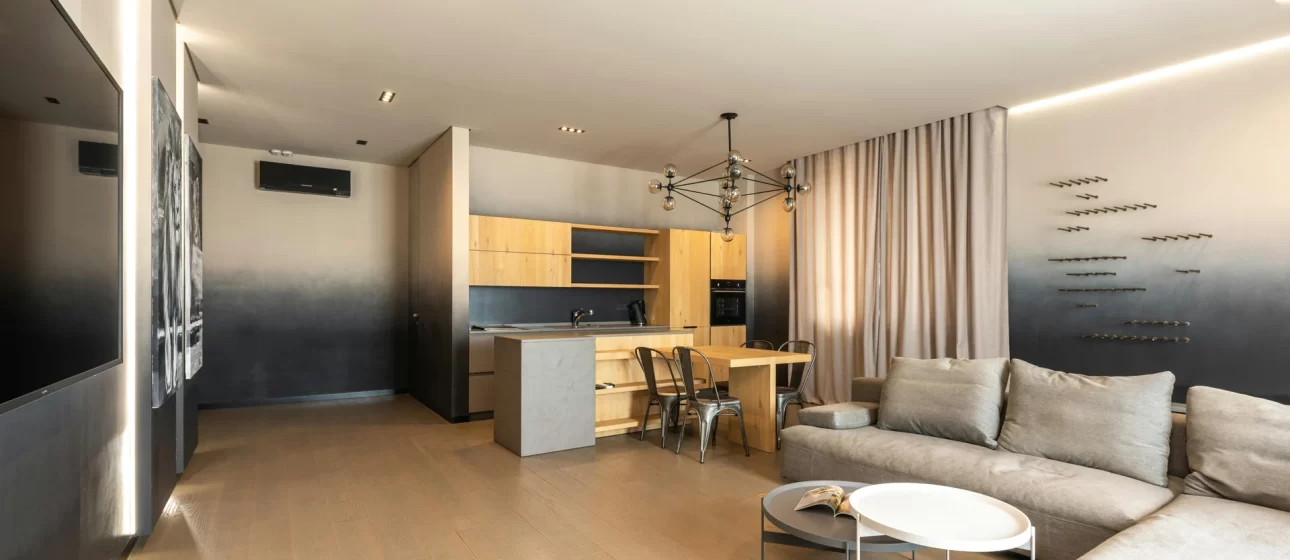
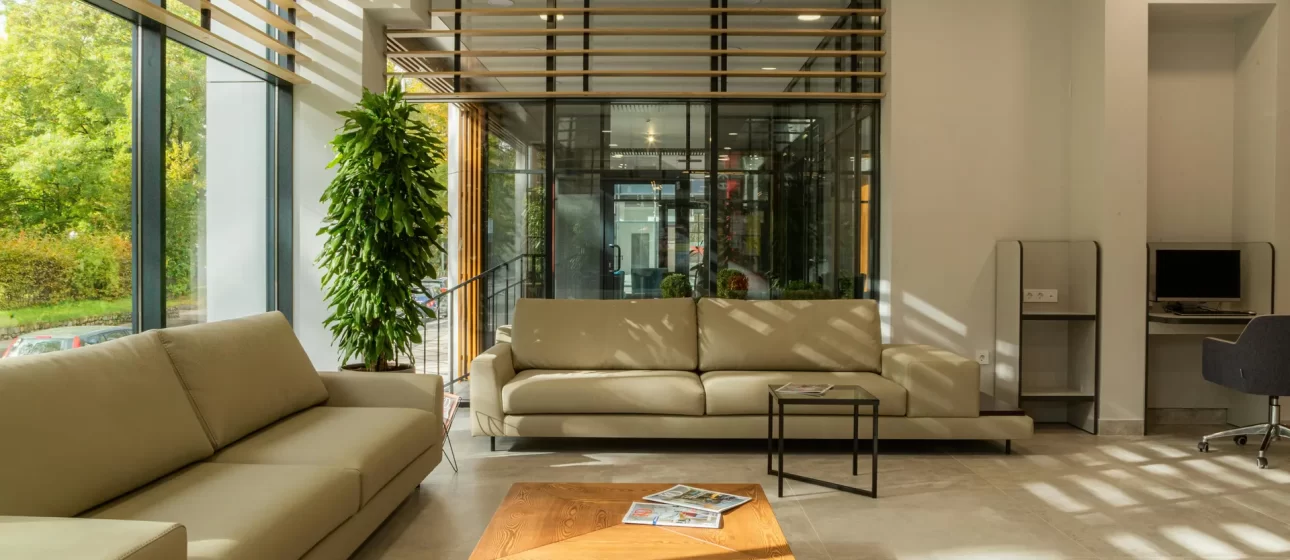
A beautiful home should not only look impressive but also feel comfortable, practical, and easy to live in. The right home interior design combines aesthetics with functionality, creating spaces that reflect your personality while meeting your everyday needs.
Whether you are designing a new home or renovating your existing space, thoughtful planning can make a significant difference. Here are some important tips to help you create a stylish and functional home interior.
1. Understand Your Space
Before selecting furniture, colours, or décor, understand the size, layout, and natural lighting of your space. Consider how each room will be used and plan the layout accordingly.
A well-planned space allows easy movement and prevents rooms from feeling overcrowded.
2. Choose a Consistent Design Style
Select an interior style that complements your personality and lifestyle. You can choose from modern, contemporary, minimalist, luxury, traditional, or a combination of different styles.
Maintaining a consistent design language throughout your home creates a balanced and visually connected look.
3. Focus on Functionality
Good interior design is about more than appearance. Every element should serve a purpose.
Choose furniture that provides comfort and functionality, create sufficient storage, and ensure that frequently used items are easily accessible. Smart planning can make even smaller homes feel spacious and organised.
4. Select the Right Colour Palette
Colours have a major impact on the atmosphere of a room. Neutral shades such as beige, white, grey, and soft earthy tones can create a calm and sophisticated environment.
You can add personality through accent walls, cushions, artwork, rugs, or decorative accessories.
5. Invest in Smart Storage
Clutter can quickly affect the appearance and functionality of your home. Incorporate smart storage solutions such as built-in wardrobes, modular cabinets, floating shelves, and multi-functional furniture.
Well-designed storage keeps your home organised while maintaining a clean and elegant appearance.
6. Pay Attention to Lighting
Lighting can completely transform an interior. Use a combination of ambient, task, and accent lighting to create the right mood and functionality.
Make the most of natural light wherever possible, and complement it with thoughtfully positioned ceiling lights, pendant lights, wall lights, and decorative fixtures.
7. Choose Furniture According to the Space
Furniture should be proportional to the size of the room. Large furniture in a compact room can make the space feel cramped, while undersized furniture may make a large room feel empty.
Measure your space before purchasing furniture and maintain enough room for comfortable movement.
8. Add Personal Touches
Your home should reflect who you are. Add elements such as artwork, photographs, plants, books, rugs, and accessories that represent your taste.
Personal details make an interior feel warm, welcoming, and unique rather than simply following a design trend.
9. Balance Style and Comfort
A stylish home should also be comfortable. Choose fabrics, furniture, finishes, and materials that are suitable for your lifestyle.
If you have children or pets, for example, durable and easy-to-maintain materials may be more practical than delicate finishes.
10. Work With Professional Interior Designers
Creating the perfect balance between beauty and functionality can be challenging. Professional interior designers can help you make better decisions about layouts, materials, colours, lighting, furniture, and storage.
From concept and planning to execution, an experienced interior design team can help transform your ideas into a well-designed living space.
VILAASA HOMES
Interior Design & Turnkey Execution
Creating thoughtful spaces through creative design, careful planning, quality craftsmanship, and seamless execution.